Overview
Endoscopy is a way of directly examining the inside of the digestive tract using a thin, flexible, lighted tube with a camera on the end (an endoscope), passed either through the mouth or the back passage. It gives a far more accurate view than X-rays for finding inflammation, ulcers, polyps or tumours, and — because instruments can be passed down the same tube — many problems can be diagnosed and treated in a single visit. The two most common types are gastroscopy (upper endoscopy), which examines the oesophagus, stomach and the first part of the small intestine, and colonoscopy, which examines the entire large bowel.
Common reasons for referral
- Persistent heartburn, reflux, indigestion or upper abdominal pain
- Difficulty or pain swallowing
- Unexplained weight loss, anaemia or bleeding
- A change in bowel habit, or a family history of bowel disease or cancer
- Bowel cancer screening from age 45–50, or earlier with a family history
What to expect at A Bit of Life Clinic
Every endoscopic procedure is explained clearly before the day — what preparation is needed, what sedation involves, and what happens afterwards. Most procedures are done as day cases under light sedation, take between 10 and 60 minutes, and any biopsies or polyps taken are sent for laboratory analysis, with results explained to you in plain language at follow-up.
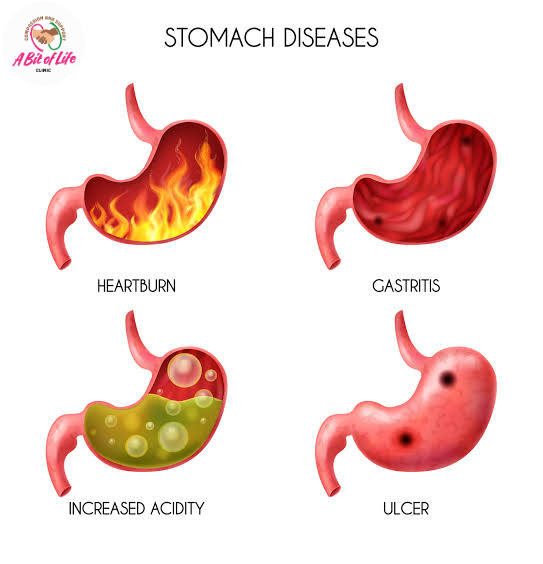
Gastroscopy
Upper endoscopy to examine the oesophagus, stomach and duodenum — for reflux, ulcers, bleeding and swallowing problems.
Colonoscopy
Examination of the entire large bowel — the gold-standard test for bowel cancer screening, polyp removal and investigating bowel symptoms.
Not sure where to start?
Send through a referral or enquiry and the team will advise the most appropriate next step — consultation, testing, or a specialist review.