Overview
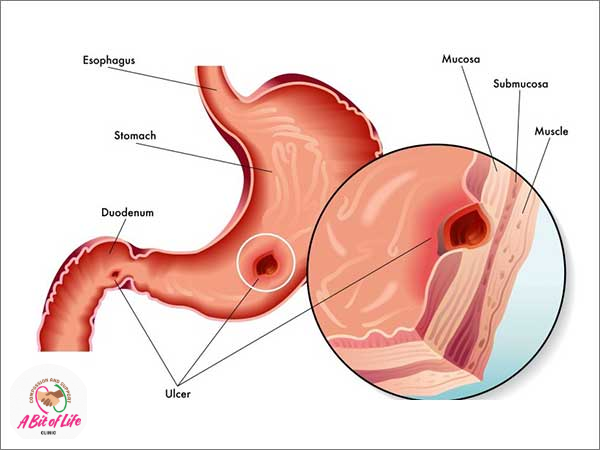
A gastroscopy (also called an upper endoscopy or OGD) uses a thin, flexible, lighted tube passed through the mouth to examine the oesophagus (swallowing tube), stomach and the first part of the small intestine (duodenum). It’s one of the most accurate ways to investigate upper abdominal symptoms, and can detect inflammation, ulcers and early cancers that don’t always show up on scans.
Common signs and symptoms it investigates
- Persistent heartburn, reflux or indigestion
- Difficulty or pain swallowing
- Unexplained nausea, vomiting or upper abdominal pain
- Unexplained anaemia or evidence of bleeding
What to expect at A Bit of Life Clinic
You’ll be asked to fast for around eight hours beforehand. Most patients have light sedation through a vein, and the throat may be numbed with a spray; you lie on your left side while the scope is gently passed through the mouth. The procedure itself usually takes about 10–15 minutes. If needed, a small tissue sample (biopsy) can be taken painlessly for testing, or small treatments performed, such as stopping bleeding. Afterwards you’ll rest in recovery until the sedation wears off — you’ll need someone to drive you home and shouldn’t drive or drink alcohol for 24 hours. Results are explained clearly, with biopsy results usually available at follow-up.

Not sure where to start?
Send through a referral or enquiry and the team will advise the most appropriate next step — consultation, testing, or a specialist review.